
Lakeland Storm Damage
Restoring Properties After Severe Weather
When severe weather strikes Central Florida, rapid water extraction is essential to prevent permanent structural rot and microbial growth.
The median owner-occupied home in the area was built in 1981 according to Census ACS 5-year data, meaning older building envelopes frequently face elevated vulnerability during major tropical systems.
About 22% of housing units locally (11,657 of 52,137) were built since 2000, so a substantial share of the local stock is still on its original systems and vulnerable to water intrusion.
Homeowners often describe neighborhood drainage failures following heavy storms, a pattern echoed in public discussions where residents around Lake Bonny reported weeks of standing floodwater and structural moisture issues after severe hurricane flooding overwhelmed local drainage systems.
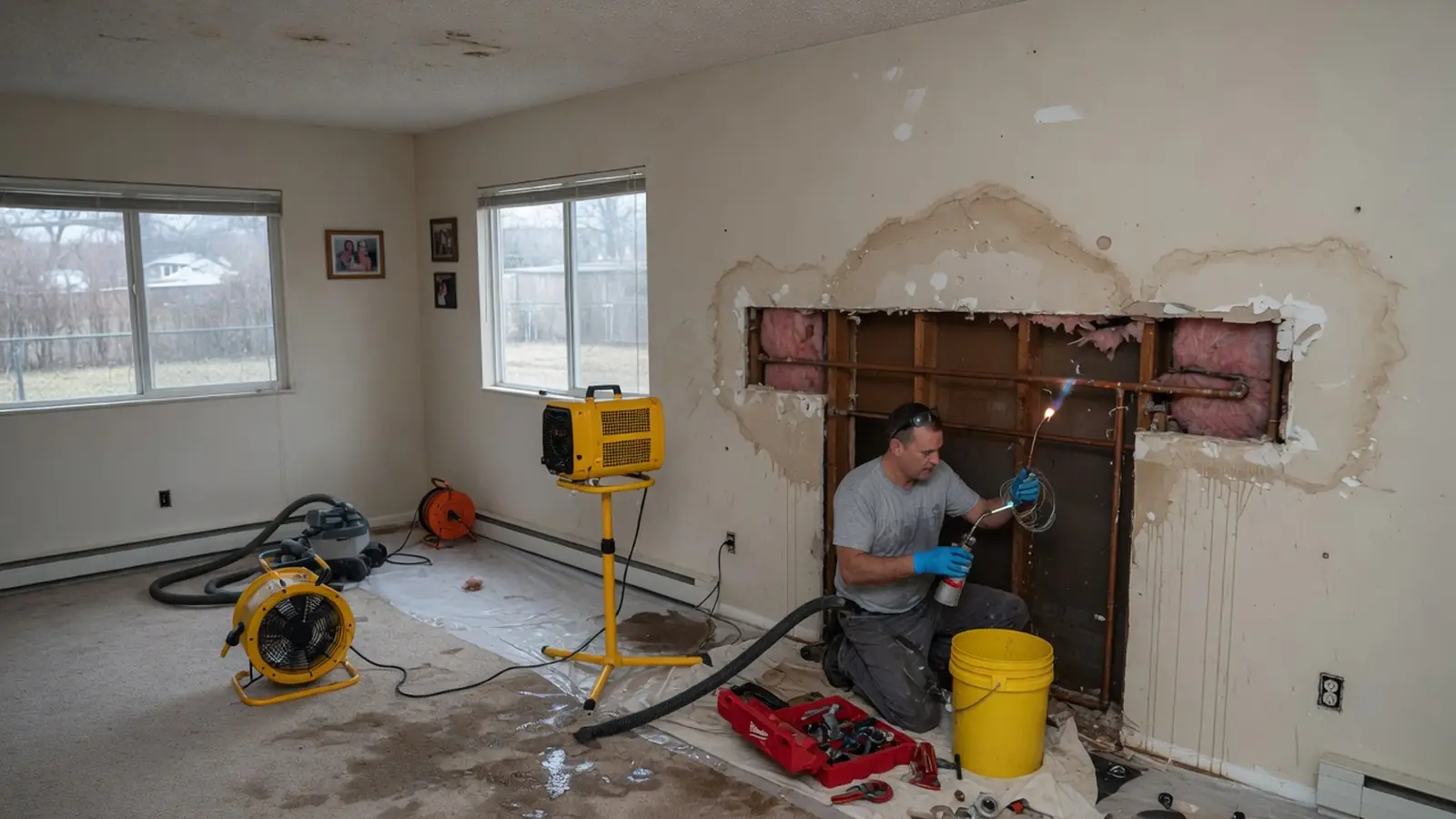
Our technicians specialize in emergency water damage restoration for residential properties to stabilize subfloors and framing before moisture spreads.
We bring commercial moisture meters and industrial-grade air movers to every site to verify structural dry standards from day one.
Our Proven Mitigation Protocol
Comparing the two halves of 2021-2025 across regional weather records, radar hail signatures went from 1,404 to 1,087, a fall of 23%, but intense summer downpours continue to drive severe roof leaks and structural flooding. If your property experienced sudden intrusion, explore our comprehensive flood cleanup solutions designed to halt secondary damage immediately.
- Emergency Hazard Assessment And Tarping. Our technicians arrive on-site with non-invasive moisture meters and thermal imaging cameras to map water migration through ceilings and exterior wall cavities, securing roof tarps if storm winds opened exterior penetrations.
- Standing Water Extraction. Using truck-mounted extraction units and submersible pumps, we remove bulk standing water from carpets, wood floors, and foundation slabs to stop saturation before framing joists absorb moisture.
- Controlled Demolition And Cavity Drying. A common pattern observed in public homeowner discussions is discovering hidden mold colonization on the back of drywall and framing studs after cutting flood lines 1-2 feet above the water line, which is why we remove contaminated materials with surgical cuts to allow proper airflow.
- Dehumidification And Antimicrobial Treatment. We set commercial LGR dehumidifiers and high-velocity air movers to bring framing down to dry standard baseline moisture levels while applying EPA-registered botanicals to inhibit bacterial and fungal proliferation.
Our Workmanship Commitment
Homeowners often report that simply mopping up water leaves behind hidden moisture, discovering spreading black mold along baseboards days later. We adhere strictly to IICRC S500 guidelines for professional water damage restoration, taking daily psychrometric logs and moisture readings until your building materials reach documented dry baselines. If indoor dampness has already begun cultivating fungal growth, learn about our certified mold remediation process to safeguard structural air quality without cutting corners.
Roof Leak And Ceiling Water Extraction
Wind-driven rains compromise shingle underlayment and saturate ceiling insulation. We remove soaked insulation, pump out attic pooling, and dry saturated ceiling drywall and support joists.
Structural Cavity Dehumidification
Trapped water inside exterior wall cavities quickly damages insulation and framing studs. We place specialized injectidry systems and industrial dehumidifiers to cycle warm, dry air through wall voids.
Flooring And Subfloor Restoration
Storm runoff soaking tile underlayment, hardwood, or laminate requires controlled extraction. We monitor subfloor moisture saturation and salvage finish flooring whenever drying standards allow.
Dedicated Storm Recovery And Structural Drying
Every property damaged by storm water receives dedicated mitigation using industrial extraction tools and psychrometric monitoring. We respond swiftly to stabilize residential structures, protect indoor air quality, and restore homes to safe conditions.
- 13Zip Codes Served
- 8Service Areas
- 3Services Offered
Local property owners share how our response team managed structural drying, permit compliance, and rapid restoration after severe storms.
“When building officials came by to check our moisture logs, the crew already had every psychrometric reading documented and signed off. They pulled the necessary emergency mitigation permits immediately so our drywall rebuild would not face municipal delays. Their attention to local building compliance gave us total peace of mind.”
Marcus V.
“Every single morning of drying, the team texted photo updates showing the infrared moisture meter readouts. I never had to hunt anyone down for status reports while stuck staying across town with relatives. Knowing exactly how the structural framing was progressing each afternoon removed an incredible amount of stress.”
Elena R.
“Instead of ripping out all our solid wood subfloors, the crew explained how targeted injection drying mats could pull the water out safely. That honest recommendation saved us thousands of dollars compared to a complete tear-out while keeping the original framing completely sound. They walked us through the science of structural drying before touching a single board.”
Devon K.
“Tropical storm squalls knocked out power to our street and flooded our narrow driveway during the setup. The crew hauled in auxiliary generators and worked late into the evening to ensure the dehumidifiers started running on schedule. They recovered the lost hours without missing our structural drying deadline.”
Brenda T.
Frequently Asked Questions
How long does structural drying take after storm water intrusion?
Structural drying typically takes three to five days depending on cavity moisture saturation and whether building materials are porous. Technicians monitor progress using moisture meters and thermal imaging cameras to ensure wood studs and subfloors reach baseline readings before equipment removal.
Does homeowner insurance cover storm damage water mitigation?
Standard homeowner policies generally cover sudden storm water intrusion caused by wind-driven roof failure, though flood events require flood riders. Our dispatchers document structural damage, photograph moisture migration patterns, and assemble itemized mitigation logs to streamline insurer approvals.
Can I run rented air movers instead of hiring a restoration crew?
Renting consumer fans rarely removes deep structural moisture trapped within insulated walls, subfloors, and ceiling joist cavities. A pattern echoed in public discussions is homeowners attempting DIY fan drying only to uncover extensive hidden mold colonization behind baseboards and studs days later. Professional crews deploy low-grain refrigerant dehumidifiers and specialized moisture meters to verify complete drying.
What are the first steps to take when storm water enters a home?
Homeowners should first shut off main electrical breakers in affected zones, photograph damage for claims, and contact an emergency drying crew. Avoid walking into rooms with standing water if power remains on, and do not dispose of damaged materials until your adjuster or mitigation specialist completes photographic records.
How do technicians confirm building materials are completely dry?
Crews verify dry standards using penetrating moisture meters and thermal imaging to compare wet materials against dry baseline structures. Equipment runs until structural framing reaches acceptable moisture content levels, preventing post-storm mold development and drywall deterioration.